April 3, 2026
Car window tinting services often appear to merely enhance a vehicle's aesthetic appeal, but their utility extends far beyond mere appearance. These services play a critical role in preserving the interior of a vehicle, providing protection from various environmental factors that can degrade materials and reduce the car's value. By investing in a professional window tinting service, car owners can ensure a longer lifespan for their vehicle's interior, while also enjoying additional benefits such as thermal comfort and privacy.
Understanding Window Tinting: Basics and Benefits
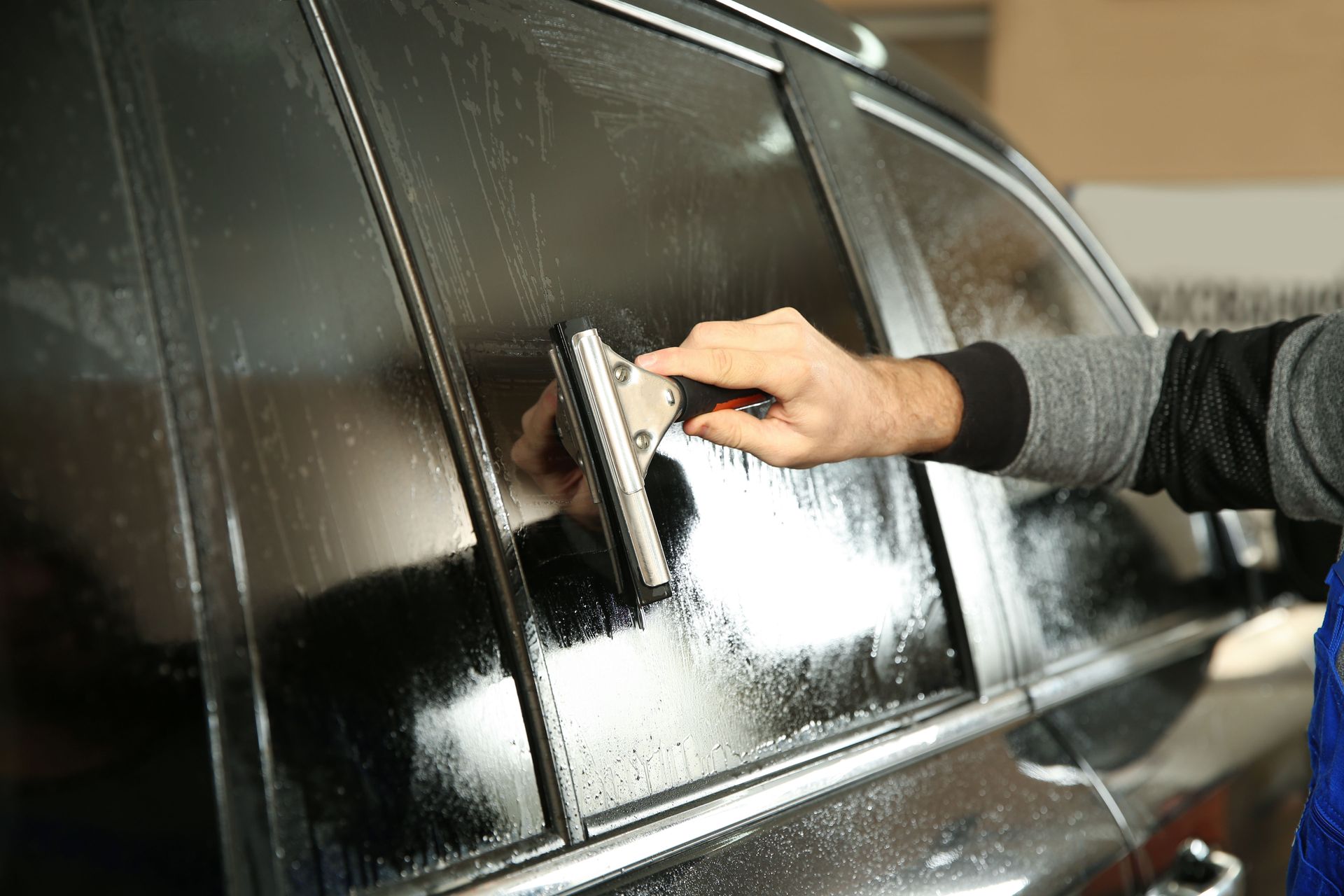
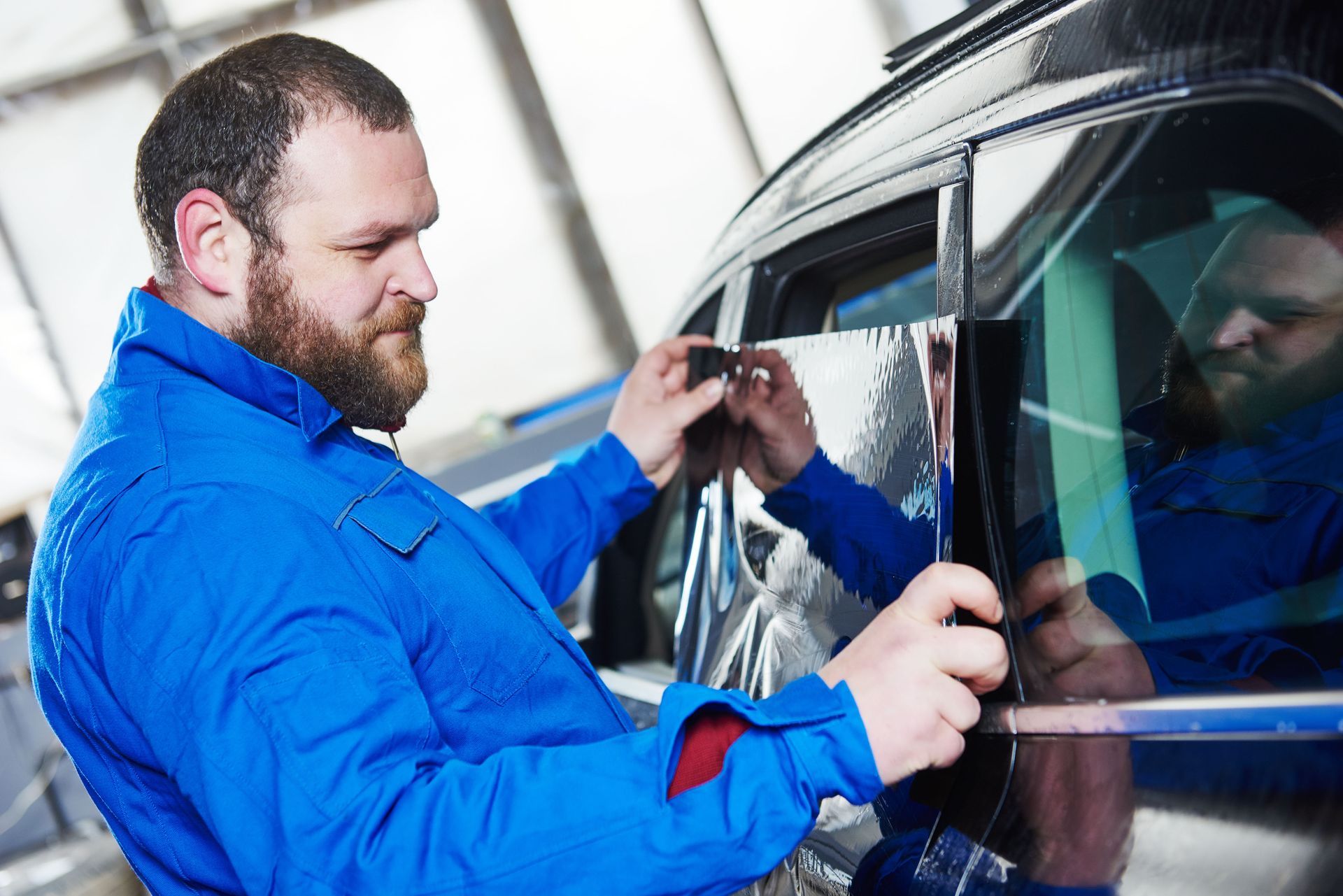
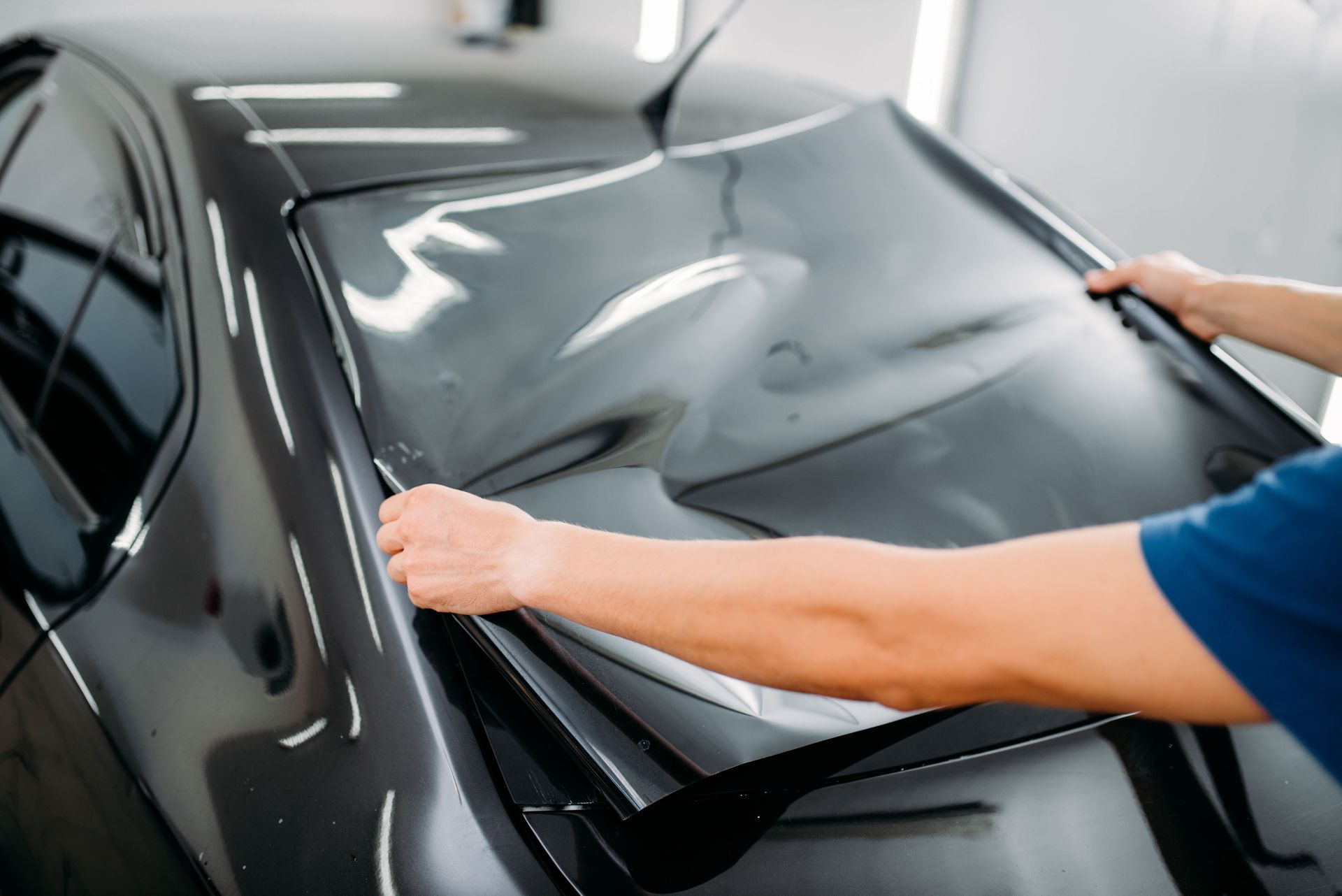
Window tinting involves applying a thin laminate film to the interior or exterior of glass surfaces in vehicles. The primary function of this film is to reduce glare and heat inside the car, manage UV radiation, and enhance privacy and security. Various types of tints exist, ranging from dyed or metallic films to more advanced ceramic and carbon options. Each type of film offers particular benefits—either absorbing heat and light or reflecting them away from the interior space. Understanding these functions is crucial for selecting the most appropriate tinting solution for a vehicle.
The concept of window tinting dates back to the mid-20th century, initially focusing on enhancing visual aesthetics and comfort. Over the years, advancements in material science and technology have significantly improved the efficiency and effectiveness of window films, making them indispensable in automotive care. Initially, tints were primarily available in shades of black to reduce sunlight intensity; however, innovations have introduced a variety of colors and levels of transparency. This historical evolution underscores window tinting's transition from a luxury option to a practical necessity for vehicle protection. Many car manufacturers now incorporate window tinting as a standard or optional feature, acknowledging its comprehensive benefits.
The materials used in window films have diversified significantly to meet growing demands for performance and sustainability. Primarily, window films are made from polyester due to its durability and ability to resist tearing. Other materials, such as ceramics, metals, and carbons, enhance the film's capabilities to reflect UV and infrared radiation. Ceramic films are particularly notable for their non-metallic content, ensuring that electronic devices within vehicles remain unaffected by signal interference. Understanding the material composition is essential for discerning car owners who want to balance cost, effectiveness, and aesthetics in their window tinting choices.
Protection from UV Rays: Shielding Your Investment
Ultraviolet (UV) radiation from the sun can have several damaging effects on both people and materials. For vehicles, extended exposure to UV rays can lead to the fading of interior upholstery, cracking of dashboards, and deterioration of leather seats, reducing the car's aesthetic and resale value. On a more personal level, UV exposure poses significant health risks, contributing to skin cancer and other dermal conditions. Therefore, UV protection is not just a matter of preserving car aesthetics but also a vital element of personal safety. Window tinting services become invaluable in this regard, as they can effectively block the majority of UV radiation.
Long-term studies on UV exposure highlight the stark differences in wear between vehicles with tinted versus untinted windows. Case studies often reveal how un-tinted cars suffer from drastically faded upholstery, brittle dashboards, and severe discoloration over just a few years of sun exposure. Conversely, vehicles equipped with high-quality tinted windows show minimal signs of aging, retaining their aesthetic and functional integrity much longer. These studies emphasize not only the aesthetic value but also the financial benefits of investing in window tinting, as preserved interiors mean higher resale values. Ultimately, the evidence strongly supports window tinting as a proactive measure against UV-induced damage.
Numerous customer testimonials reflect the tangible benefits of quality window tinting in terms of UV protection. Many car owners report noticing significant improvements in the condition of their vehicle interiors and reduced need for maintenance after tinting. Testimonials frequently mention the peace of mind that comes from knowing their vehicle and occupants are protected from harmful UV exposure. According to HomeGuide, window tinting is capable of blocking as much as 99% of harmful UV rays. Many customers appreciate the added comfort of reduced glare and cooler car temperatures, leading to a more pleasant driving experience. These firsthand accounts serve as powerful endorsements for the comprehensive protective benefits that window tinting services provide.
Heat Reduction: Keeping Interiors Cool and Comfortable
Heat rejection in window films is facilitated by materials that either absorb or reflect solar infrared radiation. The use of reflective metallic layers, such as aluminum, in films is a common method for redirecting heat away from a car’s interior. This process involves a delicate balance to ensure that the films effectively reject heat without compromising visibility. By reducing the interior temperature, window films contribute to a more comfortable environment, enhancing the overall driving experience. Scientific studies also indicate improved fuel efficiency due to decreased reliance on air conditioning systems, further underscoring the benefits of heat-rejecting window films.
Prolonged heat exposure can cause significant damage to a vehicle's interior components, including upholstery, dashboard, and electronic systems. High temperatures can lead to the fading and cracking of materials, deteriorating the aesthetic appeal and structural integrity of the vehicle. Overheated interiors also accelerate wear, reducing the lifespan of critical components such as seat materials and infotainment systems. Window tinting provides a simple yet effective solution to these issues by maintaining lower interior temperatures. By preventing heat buildup, tints can extend the longevity of car components, ultimately reducing repair and replacement costs.
Investing in window tinting for heat reduction can yield significant long-term benefits in comfort and cost savings. Cooler interior climates enhance driving comfort by reducing the frequency and intensity of air conditioning use, resulting in noticeable fuel savings. Furthermore, preserving the interior condition through heat rejection translates to reduced maintenance expenses, as components withstand aging and wear more effectively. These cumulative advantages highlight the value proposition of window tinting as an investment in vehicle health and driver experience. Over time, the financial and comfort-related gains from reduced heat impact substantiate the decision to use quality window tinting services.
Maintaining Aesthetic Appeal: Preserving the Look and Value
Window tints contribute significantly to maintaining the interior aesthetic of a vehicle, extending its longevity and visual appeal. Tinted windows shield interiors from fading due to sunlight exposure, preserving the rich colors and textures of fabrics and leathers. By maintaining a pristine appearance, tints also help uphold a vehicle's market value over its lifespan. For owners who value luxurious designs or unique interiors, tinted windows serve as a safeguard against the depreciating impacts of environmental elements. The overall contribution of tinted windows to aesthetic preservation supports their status as a must-have feature for design-conscious owners.
Beyond immediate benefits, window tints play an influential role in preserving and potentially enhancing a vehicle's resale value. By protecting interior materials from sun damage and wear, tints ensure that vehicles remain in excellent condition, appealing to future buyers. An additional advantage is the perceived value that well-maintained, tinted cars have—buyers may be willing to pay more for vehicles with added features such as high-quality tints. As a result, the decision to invest in window tinting can offer financial returns when selling or trading in the vehicle. Professional tint application is recognized as a prudent strategy for maximizing vehicle value retention.
Investing in a professional
window tinting service goes far beyond enhancing a vehicle’s appearance—it serves as a practical solution for protecting your car’s interior, improving comfort, and preserving long-term value. From blocking harmful UV rays and reducing heat buildup to maintaining aesthetic appeal, window tinting proves to be a smart, cost-effective upgrade for any vehicle owner. By choosing a high-quality window tinting service, drivers can enjoy a more comfortable ride while safeguarding their investment for years to come. Contact Angel's Autoglass & Tint today for more information.