June 12, 2026
Understanding the aspects of window tinting can help vehicle owners make informed decisions about tinting their windows to optimize performance and comfort. The subsequent sections will delve into various facets of window tinting, providing a comprehensive understanding of its impact on vehicles. This knowledge can lead to better decision-making regarding when and how to implement window tinting in your own vehicle.
1. Understanding Window Tinting
1.1 Definition and Basic Principles
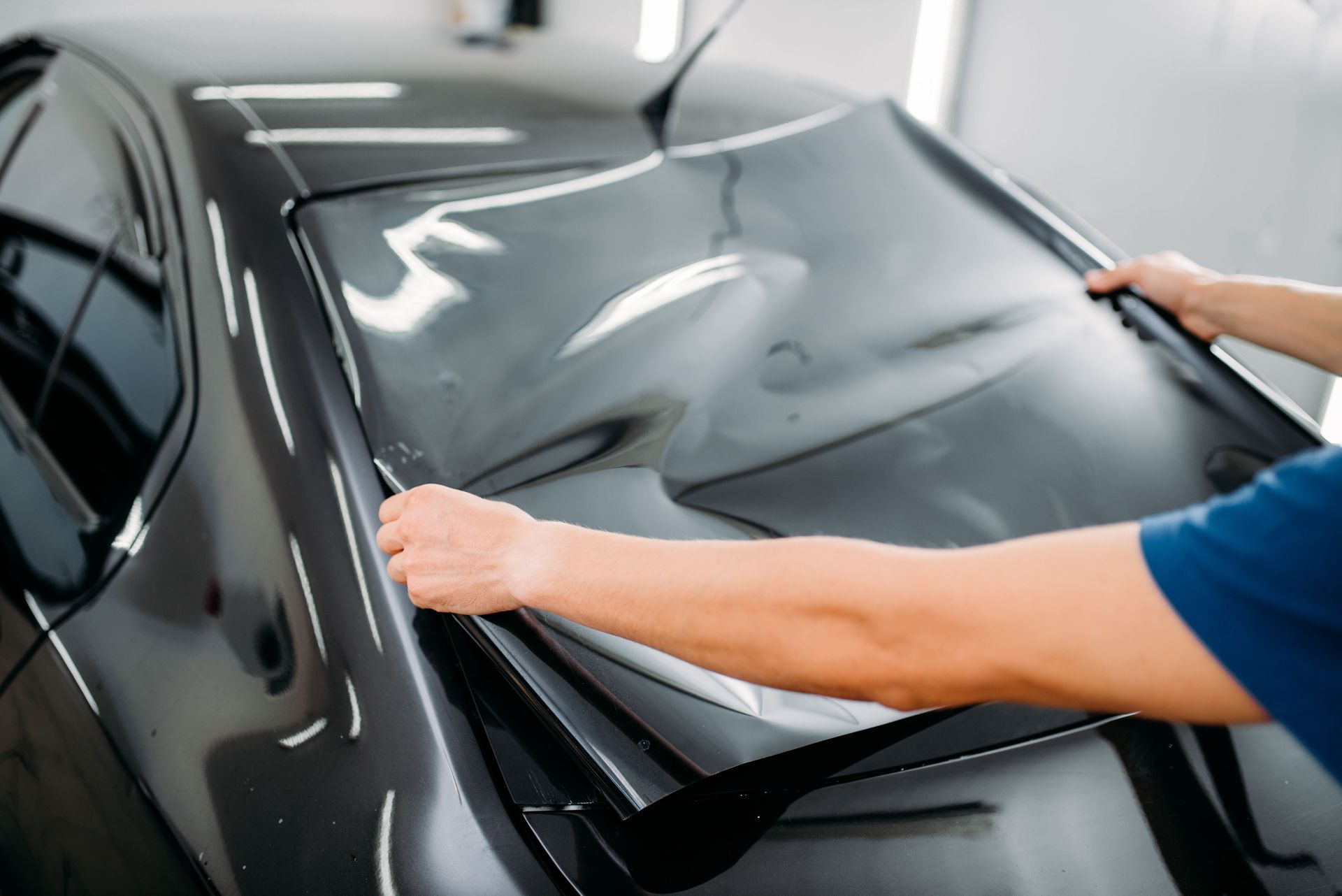
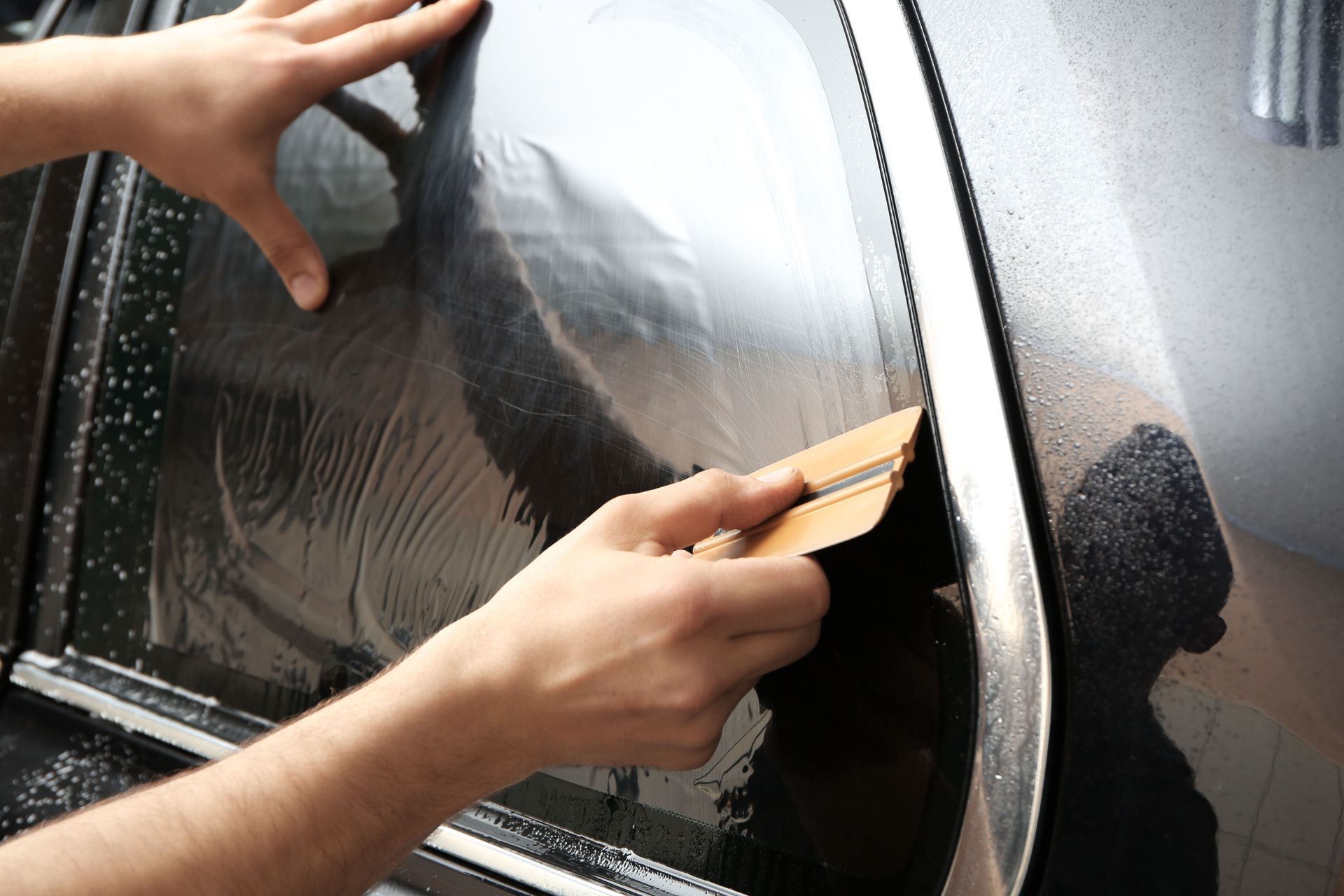
Window tinting involves applying a thin laminate film to a vehicle's windows to darken them. The primary purpose is to reduce glare and heat from the sun's rays. Different types of tint provide varying levels of UV protection, reducing interior exposure to harmful rays. The principle behind window tinting is light absorption and reflection, helping manage light and heat inside the vehicle. The effectiveness of tinting varies based on the type of film used and its installation quality.
Beyond glare reduction, window tinting serves as an insulator against outside temperatures. This aspect of control allows for a more stable and comfortable interior environment. Tint films achieve this through specialized materials that absorb and reflect heat. Advanced films can also contribute to maintaining the privacy of a vehicle's occupants. Understanding these principles is crucial when choosing window tinting for either performance or aesthetic reasons.
It's important to note that tinting technologies continue to evolve, with newer methods providing enhanced benefits. Innovations in film technology have introduced options like ceramic and metalized tints, each with unique advantages. As technologies improve, they offer better performance in terms of UV blocking and heat reduction. This continual evolution is crucial for consumers seeking the best solutions for their vehicles. Proper education about these options allows for informed decision-making and optimized vehicle performance.
1.2 Types of Window Tint Films
Window tint films come in various types, each with different properties and benefits. The most common types include dyed, metallized, hybrid, carbon, and ceramic films. Dyed films are basic and cost-effective, primarily providing privacy and basic glare reduction. Metallized tints, on the other hand, offer enhanced UV and heat blocking capabilities due to their metal particles. Hybrid tints combine the advantages of dyed and metallized films, offering a balance between cost and performance.
Carbon films are known for their durability and non-metal construction, which avoids interfering with electronics. They effectively block UV rays and help in heat reduction, maintaining a cooler environment, and preserving interior materials. Ceramic films are among the most advanced, providing maximum UV protection, heat rejection, and durability, although they come at a premium cost. Each type of film serves different needs and preferences, allowing vehicle owners to choose according to their specific requirements.
The choice of window tinting film can also affect regulatory compliance and legal considerations. Some regions have strict laws regarding the level of permissible tint, particularly concerning transparency and reflectiveness. Understanding the different types of films helps make sure the chosen tint complies with local regulations. Moreover, technology advancements can also introduce new materials that offer improved performance within legal limits. Keeping abreast of these options is vital for optimizing vehicle performance while adhering to legal standards.
According to WifiTalents, advanced glazing and tint technologies can lower interior temperatures enough to reduce cooling system strain by around 15%. This reduction in workload translates to improved fuel efficiency, as the vehicle relies less on its air conditioning to regulate temperature. In hotter climates, tinted film can become an essential feature for maintaining comfort and efficiency. By mitigating the effects of direct sunlight, it provides a passive cooling effect that can be noticeable even without air conditioning. This interplay of factors makes tinting a smart choice for anyone mindful of energy consumption.
1.3 Legal Considerations and Regulations
Regulations around window tinting are largely dictated by safety and visibility concerns for law enforcement and other drivers. Most jurisdictions have specific legal limits on the amount of light transmission allowed through vehicle windows. These regulations are meant to make sure tinted windows do not obstruct a driver's view or hinder enforcement visibility. Vehicle owners must familiarize themselves with local laws, as non-compliance could result in fines or mandatory tint removal. Each region may have its own set of guidelines based on climate, safety concerns, and enforcement policies.
Typically, the regulations specify minimum Visible Light Transmission (VLT) percentages, which determine how much light must pass through the windows. For example, certain states might allow a tint as dark as 70% VLT on side windows, while others may permit more or less. These distinctions are crucial when selecting tint levels, supporting both safety and legal compliance. Tint laws may also vary for private versus commercial vehicles, adding another layer of consideration for vehicle owners.
In addition to visibility and enforcement concerns, some laws address health and medical exemptions. Certain medical conditions that require limited UV exposure might allow for special dispensation, permitting darker tints. Vehicle owners should explore these options if applicable to their situation. By staying informed about legal standards and potential exemptions, owners can maximize both the utility and compliance of window tints. Checking with local DMV or regulatory bodies is the best way to stay up-to-date with any updates or changes in tinting laws.
1.4 Historical Context and Evolution of Tint Film
The history of automotive tint film traces back several decades, with its roots in both automotive and architectural glass. Initially, tints were rudimentary, primarily serving to reduce glare in high-sunlight environments. Since then, their applications have expanded significantly to include various functional and aesthetic benefits. Over the years, technological advancements have enhanced the efficiency, durability, and variety of tints. These developments reflect broader trends in automotive design and consumer preferences for comfort and performance enhancements.
In the early years, tint films were simple and often had several drawbacks, such as fading and bubbling. As research advanced, solutions such as metallized and ceramic coatings entered the market to address these issues. The late 20th century saw significant improvements with new materials offering better heat rejection, UV protection, and longevity. These innovations enabled the widespread adoption of vehicle tint films across different cultures and climates. With increased demand, the industry saw rapid growth, driving further advancements in film technology and installation techniques.
Today, tinting technology represents a sophisticated intersection of science and design, catering to a diverse set of needs from energy efficiency to aesthetics. The continuous evolution parallels advancements in automotive and architectural technology, reflecting a growing emphasis on performance and sustainability. The introduction of smart tints and nano-technology marks the latest frontier in this ongoing evolution. By understanding its historical context, consumers can appreciate the value that modern tinting technology brings to vehicle performance. This knowledge underscores the importance of making informed choices in window tint selections.
Window tinting offers more than a polished appearance. It can support a cooler interior, reduce glare, block harmful UV rays, and help protect upholstery, dashboards, and other interior materials from long-term sun damage. For many drivers, the right tint film can also make daily travel more comfortable by reducing heat buildup and limiting the strain placed on the vehicle’s air conditioning system.
Before choosing a film, vehicle owners should consider their climate, driving habits, budget, and local tint laws. Different films offer different levels of heat rejection, UV protection, privacy, and durability, so the right option depends on how the vehicle is used. With proper installation and a film that fits legal requirements, window tinting can be a practical upgrade that supports comfort, safety, and long-term vehicle care. Call Angel's Autoglass & Tint today for more.