March 20, 2026
Choosing window tint isn’t just about appearance—it affects comfort, safety, and driving experience every day. With so many tint types, shades, and regulations, it’s easy to feel unsure about what actually fits your needs. This guide breaks down what matters most so you can make confident decisions when considering window tinting services.
Understanding Why Window Tint Matters
Window tint serves multiple practical purposes beyond visual appeal. It helps reduce glare, block harmful UV rays, and regulate interior temperatures, which can make driving more comfortable in all seasons.
For many drivers, tint also provides an added sense of privacy and security. Quality tinting services focus on performance as much as looks. A properly selected tint can protect interior materials from fading and cracking caused by sun exposure.
Over time, this protection can help preserve your vehicle’s value and interior condition. Understanding the benefits helps frame tinting as a functional upgrade rather than a cosmetic add-on.
Learning About Tint Darkness Levels
Tint darkness refers to how much visible light passes through the film and glass combined. This measurement is known as Visible Light Transmission (VLT) and is expressed as a percentage. Lower percentages mean darker tint.
According to CarXplorer, 5% tint is the darkest tint available, allowing only 5% of light to pass through. While this level offers maximum privacy, it may not be legal or practical in all locations or driving conditions.
Choosing the right darkness requires balancing visibility, legality, and personal comfort. Professional window tinting services can explain how different levels perform during daytime and nighttime driving.
Comparing Common Tint Types
Not all window tints are created equal. Different materials offer varying levels of heat rejection, durability, and clarity. Understanding these options helps narrow down what’s right for your vehicle.
Dyed tint is often the most affordable option and provides basic glare reduction and privacy. Metalized tint offers improved heat rejection but can interfere with electronic signals. Carbon tint provides better heat control without signal disruption, while ceramic tint delivers top-tier performance with excellent clarity and longevity.
Each option comes with trade-offs, and tinting services typically recommend choices based on driving habits, climate, and budget.
Considering Heat and UV Protection
Heat rejection is one of the most noticeable benefits of window tint. By reducing infrared heat transfer, tint helps keep interiors cooler, especially during hot weather. This can reduce reliance on air conditioning and improve overall comfort.
UV protection is equally important. Prolonged exposure to ultraviolet rays contributes to skin damage and interior fading. High-quality films block a significant percentage of UV rays, offering protection for both passengers and vehicle materials. When evaluating window tinting services, asking about heat and UV performance ratings helps clarify long-term value.
Evaluating Visibility and Driving Safety
Visibility is a critical factor, especially for nighttime driving or low-light conditions. Extremely dark tint may reduce glare during the day but can make it harder to see pedestrians, cyclists, or road hazards after sunset.
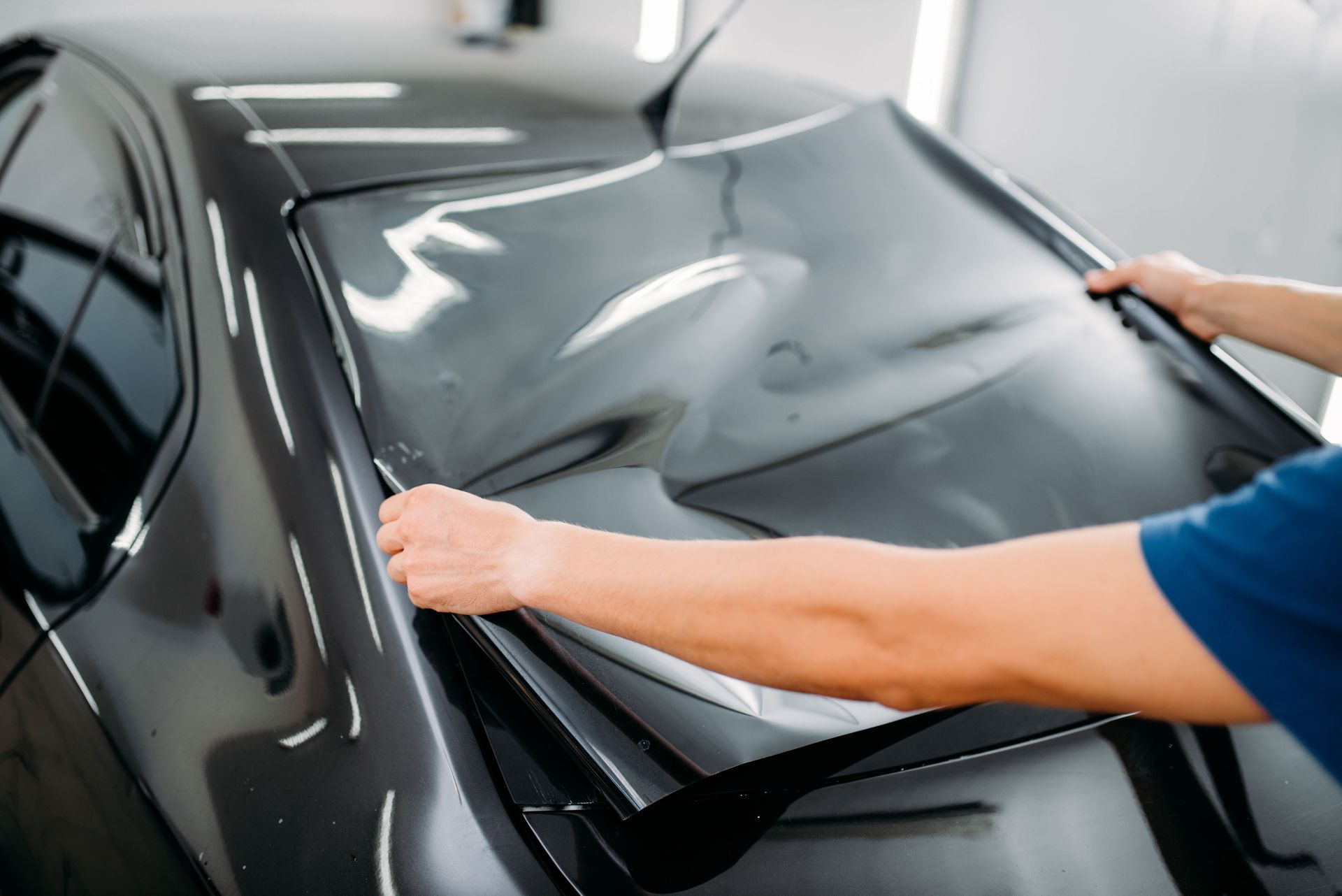
Front windshield tinting typically uses lighter films designed to reduce glare without limiting visibility. Side and rear windows often allow darker options depending on local laws.
Safety-focused tinting services help drivers find a balance between comfort and clear visibility across different driving conditions.
Reviewing Legal Requirements and Restrictions
Tint laws vary by state and sometimes by vehicle type. Regulations typically specify allowable VLT percentages for front, side, and rear windows. Some areas also restrict reflective or colored tints.
Failing to comply with these rules can result in fines or mandatory tint removal. Understanding local requirements before installation prevents unnecessary complications. Reputable tinting services stay up to date on regulations and help customers select compliant options without sacrificing performance.
Matching Tint to Driving Habits
Driving patterns play a role in tint selection. Daily commuters may prioritize glare reduction and heat control, while long-distance drivers might value UV protection and interior comfort during extended trips.
Urban drivers may prefer added privacy, while rural drivers might focus more on nighttime visibility. Climate also matters—hot, sunny regions benefit from higher heat rejection films. Discussing habits and preferences with tinting services allows recommendations to reflect real-world use rather than generic advice.
Balancing Aesthetics and Functionality
Tint can dramatically change a vehicle’s appearance. Some drivers prefer a sleek, uniform look, while others want subtle shading that blends naturally with factory glass.
While aesthetics matter, functionality shouldn’t be overlooked. Darker tint may look appealing but could compromise visibility or legal compliance.
Experienced window tinting services help align appearance goals with practical performance so the final result feels satisfying long term.
Understanding Installation Quality
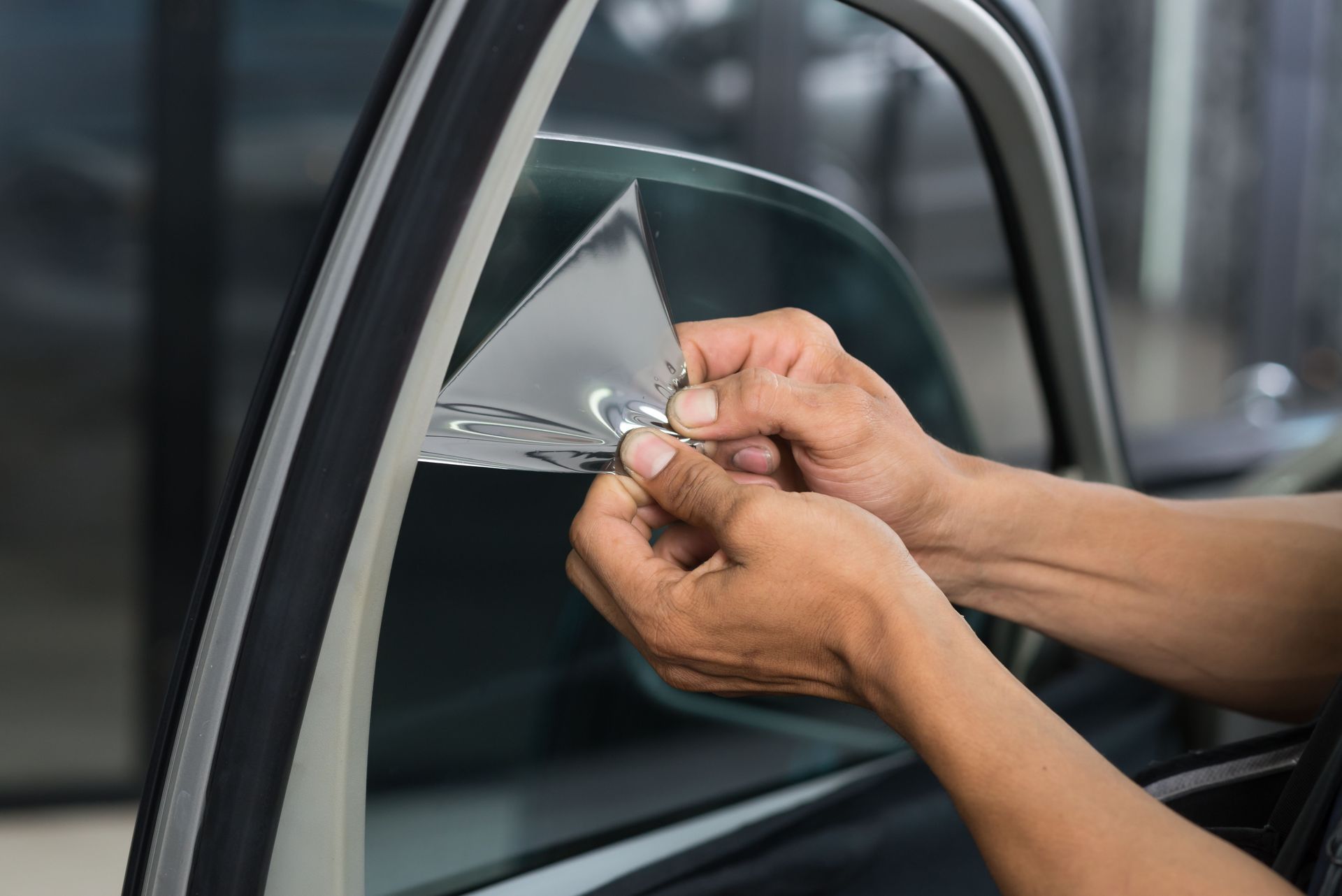
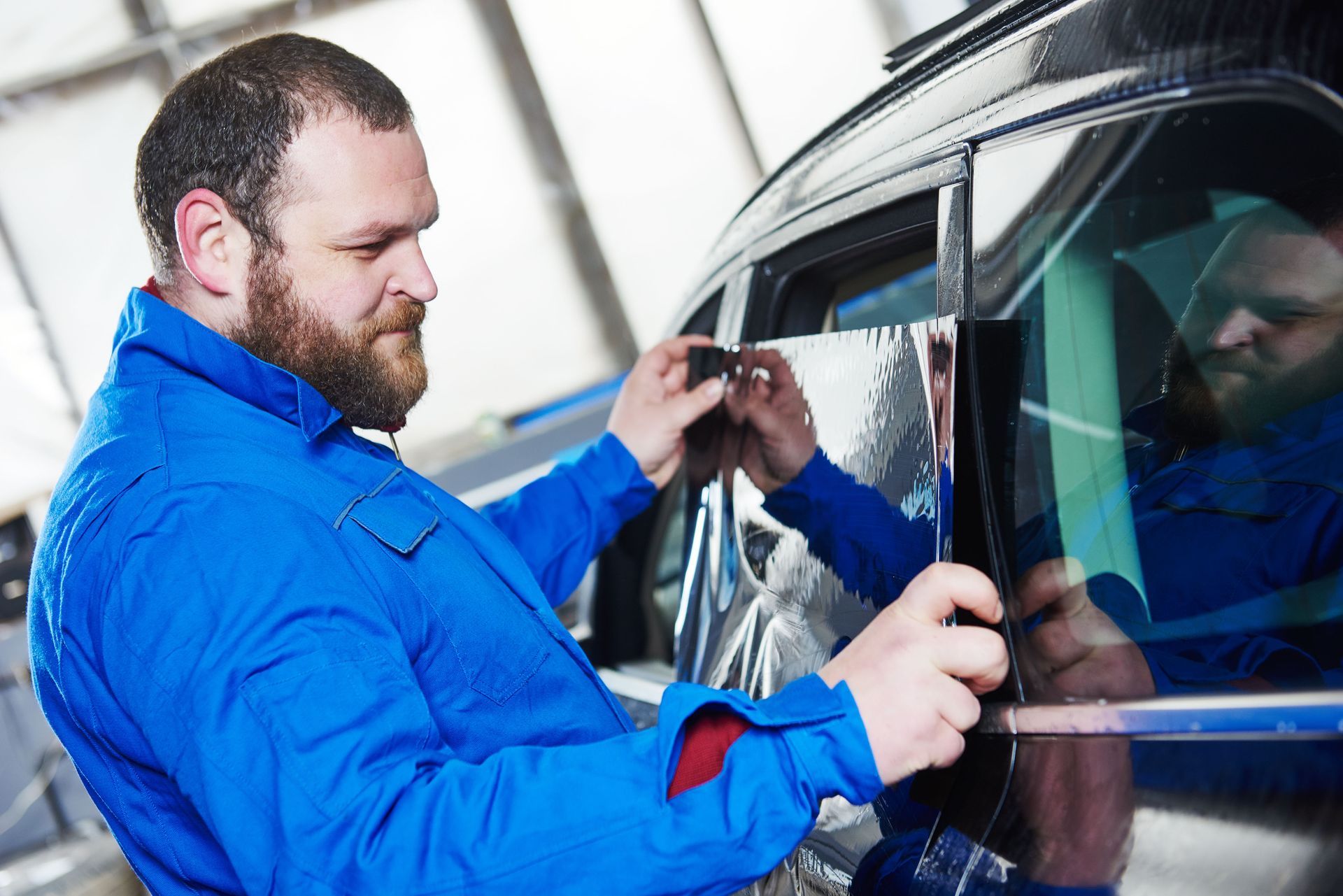
Even the best tint film won’t perform well if installed poorly. Dust, bubbles, or uneven edges can affect appearance and durability. Professional installation uses controlled environments and precise techniques.
Proper curing time is also important. Tint films need time to adhere fully, and moisture trapped during installation gradually evaporates.
Choosing skilled tinting services helps avoid premature peeling, discoloration, or visibility issues caused by improper installation.
Knowing How Tint Affects Electronics
Some tint films contain metal layers that can interfere with GPS, radio, or cellular signals. This issue is especially relevant in modern vehicles with advanced electronics.
Ceramic and carbon films typically avoid signal interference while still providing strong heat rejection. Understanding these differences helps prevent frustration after installation. Window tinting services can explain which films work best with your vehicle’s technology.
Planning for Maintenance and Longevity
Window tint is relatively low maintenance, but proper care extends its lifespan. Avoid rolling down windows immediately after installation to allow full curing. Gentle cleaning with non-abrasive products helps preserve clarity.
Over time, quality films resist fading, bubbling, and discoloration better than cheaper alternatives. Longevity often justifies a higher upfront investment. Discussing warranties with tinting services provides reassurance about long-term performance.
Comparing Cost and Value
Tint pricing varies based on film type, vehicle size, and installation complexity. While budget options exist, lower-cost films may lack durability or performance.
Value comes from consistent comfort, reduced interior wear, and improved driving experience over years of use. Weighing short-term cost against long-term benefits leads to more satisfying choices.
Transparent pricing from window tinting services helps set realistic expectations.
Deciding When to Tint Your Vehicle
Tinting can be done at any time, but scheduling may matter based on weather and usage. Extreme cold or heat can affect curing times, though professionals adjust techniques accordingly.
New vehicles often benefit from early tinting to protect interiors from the start. Older vehicles can still see immediate comfort improvements.
Timing the installation around your schedule helps ensure proper care during the initial curing period.
Recognizing Common Myths About Window Tint
Some drivers believe tint is purely cosmetic or always illegal. Others assume darker is always better. These misconceptions can lead to poor choices.
In reality, modern tint technology focuses on performance, clarity, and compliance. Education dispels myths and highlights practical advantages.
Tinting services often address these misunderstandings during consultations, helping customers make informed decisions.
Choosing the right tint transforms how your car feels and functions every day. With thoughtful consideration and guidance from trusted tinting services, you can achieve comfort, protection, and style without compromise. An informed choice today leads to a better driving experience for years to come. If you are looking for a reliable auto glass company, contact Angel's Autoglass & Tint today to learn more and get started!